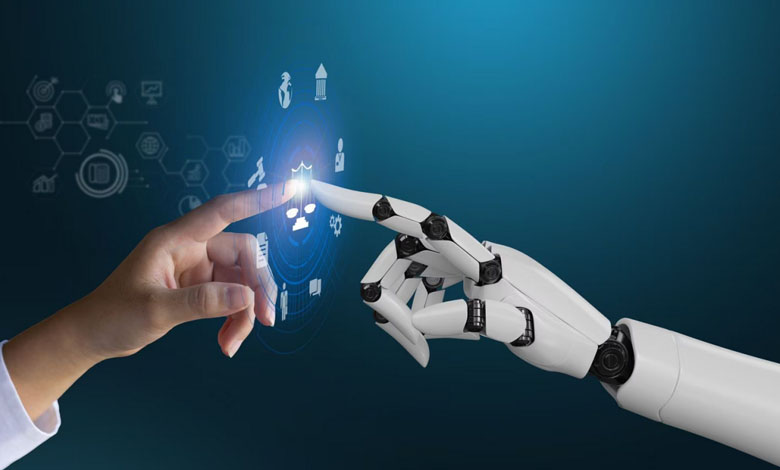
A modern illustration showing a person using smart devices (phone, smart home, robot assistant) connected with AI.
Introduction
Artificial Intelligence (AI) is no longer a concept of the future. It has become a part of our daily lives. From smartphones and virtual assistants to smart homes and healthcare systems, AI is transforming the way we live, work, and communicate. In the coming years, AI will continue to grow and influence almost every aspect of society.
AI in Daily Technology
Most people already interact with AI every day without realizing it. When you use voice assistants like Google Assistant, browse content recommendations on YouTube, or receive personalized suggestions on Netflix, artificial intelligence is working behind the scenes.
These systems analyze user behavior, preferences, and patterns to provide personalized experiences. This technology helps users save time and access relevant information quickly.
AI in Healthcare
Artificial Intelligence is making healthcare smarter and more efficient. Doctors and researchers are using AI-powered systems to detect diseases earlier and improve treatment plans. For example, AI tools can analyze medical images and identify signs of diseases such as Cancer more accurately and faster than traditional methods.
AI also helps hospitals manage patient records, reduce administrative workload, and improve communication between medical staff.
AI in Education
Education is another field benefiting from artificial intelligence. Many online learning platforms use AI to personalize learning experiences for students. Systems can track student performance and adjust lessons according to their strengths and weaknesses.
Students can now access interactive learning tools, automated tutors, and intelligent feedback systems that help them learn more effectively.
AI and Smart Homes
Smart homes powered by AI are becoming increasingly popular. Devices such as smart thermostats, security cameras, and lighting systems can learn user habits and adjust automatically.
For example, AI can turn off lights when no one is in the room, adjust temperature according to weather conditions, and notify homeowners about security concerns.
Ethical Challenges of AI
Despite its advantages, AI also raises important ethical questions. Issues related to data privacy, job displacement, and algorithmic bias must be addressed carefully. Governments and technology companies must work together to develop responsible AI policies.
Conclusion
Artificial Intelligence is shaping the future of humanity. As technology continues to evolve, AI will play a major role in improving healthcare, education, transportation, and daily life. With proper regulations and ethical practices, AI can become one of the most beneficial technologies in human history.