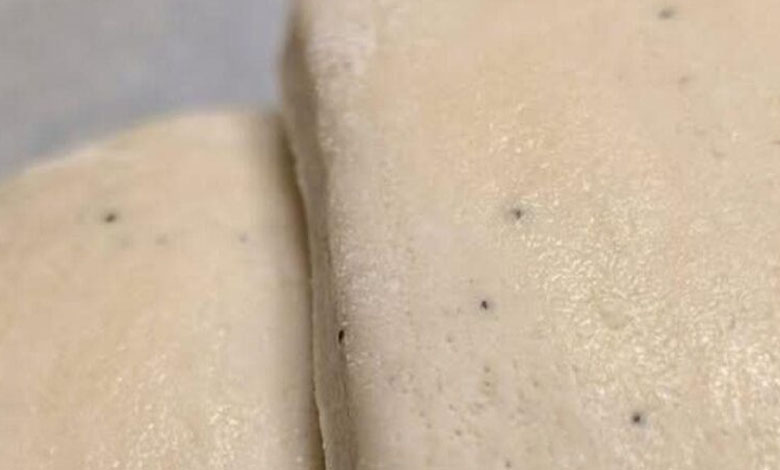
Spotting small black dots on puff pastry can feel unsettling. Whether you’re preparing appetizers for guests or baking desserts for your family, any unexpected discoloration raises immediate food safety concerns.
Before tossing the dough in the trash, pause.
In most cases, those dark specks are completely harmless. Understanding the difference between normal ingredient reactions and true spoilage can save you money, reduce food waste, and protect your health.
Let’s break down exactly what those black dots mean — and when you should (and shouldn’t) worry.
First Step: Rule Out Mold
Whenever you see unusual spots on food, your first thought should be mold.
Real mold has very specific characteristics:
-
Fuzzy or raised texture
-
Damp or slimy patches
-
Blue, green, gray, or white coloring
-
A sour, musty, or unpleasant odor
If the pastry smells off — even slightly — discard it immediately. Foodborne illness can lead to serious gastrointestinal issues, medical bills, and even emergency care in severe cases. Health always comes first.
Mold also spreads quickly. If you see one fuzzy patch, microscopic spores may already be present elsewhere. In that case, it’s not worth the risk.
However, if the black dots are flat, dry, and evenly scattered — more like tiny freckles baked into the dough — they are unlikely to be mold.
Texture and smell are your biggest clues.
If it feels firm and smells neutral or buttery, that’s a positive sign.
Harmless Causes of Black Specks
In most kitchens, black dots on puff pastry come from completely natural processes. Here are the most common explanations.
1. Natural Bran Particles in Flour
Not all flour is ultra-refined. If your puff pastry was made using less processed flour or stone-ground varieties, tiny flecks of bran can appear darker once exposed to moisture and heat.
These specks are:
-
Dry
-
Embedded in the dough
-
Evenly distributed
They do not grow or spread. They’re simply part of the grain.
In fact, less refined flour may contain slightly more fiber, which some people prefer for digestive health. From a nutrition standpoint, this is not a defect — it’s simply a characteristic of the ingredient.
2. Caramelized Milk Solids from Butter
Traditional puff pastry contains a high percentage of butter — often close to 50% of the total weight in professional recipes.
When butter heats, its milk solids can brown. This process, similar to making browned butter, creates small darker spots.
These spots are:
-
Dry
-
Golden to dark brown
-
Slightly toasted in aroma
They may even enhance flavor.
In fact, controlled caramelization is a culinary technique used intentionally in many pastries. Those darker specks can signal rich flavor development rather than spoilage.
3. Oxidation from Storage
Oxidation happens when dough is exposed to air over time.
If puff pastry has been:
-
Stored for an extended period
-
Thawed and refrozen
-
Improperly sealed in the freezer
You may see slight discoloration or small dark spots.
Freezer storage is generally safe for up to 1–2 months for optimal quality. After that, texture and color changes can occur. While oxidation may affect appearance, it does not automatically mean the dough is unsafe.
However, repeated thawing increases the risk of bacterial growth. From a food safety and health standpoint, you should avoid refreezing thawed pastry whenever possible.
4. Residue from Baking Trays
Sometimes the culprit isn’t the dough at all.
Old baking sheets with baked-on residue can transfer dark marks onto puff pastry during baking. This is especially common with:
-
Worn nonstick coatings
-
Unlined metal trays
-
Overheated surfaces
To prevent this, always use clean baking sheets and line them with parchment paper.
Good kitchen maintenance not only improves baking results but also extends the lifespan of your cookware — protecting your investment in quality kitchen equipment.
How to Evaluate Puff Pastry Safely
When assessing puff pastry with black dots, use this simple checklist:
Smell: Fresh pastry smells neutral or buttery. Any sour or musty odor is a red flag.
Texture: It should feel firm and dry. Slimy or sticky surfaces are warning signs.
Appearance: Harmless specks are flat and evenly distributed. Mold appears patchy and fuzzy.
If all three indicators look normal, the pastry is likely safe.
When in doubt, though, discard it. The cost of replacing a package of dough is far lower than the potential cost of food poisoning, urgent care visits, or missed workdays.
Proper Storage to Prevent Discoloration
Preventing black dots starts with correct storage.
For optimal food safety and quality:
-
Keep puff pastry tightly sealed in airtight packaging
-
Store at 0°F (-18°C) in the freezer
-
Avoid temperature fluctuations
-
Do not refreeze once fully thawed
Labeling your frozen items with purchase dates can also help. This small habit supports better kitchen organization and reduces waste — which ultimately saves money over time.
When to Throw It Away
Discard the pastry immediately if you notice:
-
Visible fuzzy growth
-
Sour or unpleasant smell
-
Moist or slimy texture
-
Significant discoloration spreading outward
These signs suggest microbial growth, which can pose real health risks.
No recipe is worth gambling with food safety.
When It’s Safe to Bake
If the dots are:
-
Dry
-
Flat
-
Odorless
-
Not spreading
You can proceed confidently.
Bake as usual and monitor the final product. If the pastry rises properly and smells fresh, it’s safe to enjoy.
A Quick Note on Health and Risk Management
Food safety often gets overlooked until something goes wrong.
Understanding spoilage signs protects not only your health but also your household finances. Emergency medical visits, missed workdays, and medication costs add up quickly. Practicing proper storage and inspection reduces those risks significantly.
In both cooking and life, informed decisions protect what matters most.
The Bottom Line
Most black dots on puff pastry are harmless.
They’re usually caused by natural flour particles, butter caramelization, oxidation, or baking tray residue.
True mold looks fuzzy, smells unpleasant, and spreads.
If your pastry smells fresh, feels firm, and shows only flat specks, there’s no reason to panic. You can continue baking with confidence.
A careful inspection takes less than 30 seconds — and that small habit can save you unnecessary waste, stress, and expense.
So before you throw it out, take a closer look.
Chances are, your pastry is perfectly fine.
There it is.