I traveled with my siblings, Mel and Gui, the youngest. The three of us left the airport with suitcases in hand and smiles full of emotion.
We believed that Mom would be surprised, that she would be stronger, calmer, maybe even happier. We laughed without any doubt in our hearts.

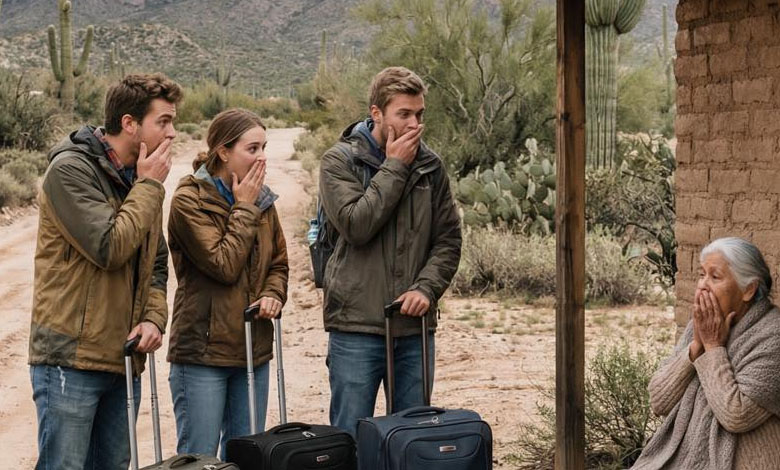
We arrived with suitcases in our hands and excitement in our voices.
Mel walked ahead of us, already planning the surprise. Gui joked about how Mom would scold us for not warning her. I smiled the entire ride from the airport, convinced we were about to give her the happiest afternoon of her life.
We had no idea we were about to step into a nightmare.
The heat that day felt unforgiving. São Paulo’s air pressed against my chest as if reminding me how long I’d stayed away. Five years working in Dubai. Five years of structured routines, polished steel buildings, air-conditioned offices, and carefully wired money transfers.
My name is Rafael. I’m thirty-five. An engineer. Practical. Logical.
But nothing in my world of calculations prepared me for what we found.
For five years, the three of us sent money home religiously. I transferred around eight thousand reais most months. Mel sent between five and ten. Gui contributed every bonus he earned. Birthdays, Christmas, holidays — always a deposit.
In total, more than six hundred thousand reais.
We believed Mom was comfortable. Safe. Secure. That’s what sons and daughters working abroad are supposed to do, right? Provide.
The taxi drove toward the East Zone. The buildings changed. The streets narrowed. Asphalt turned into uneven dirt. Wooden houses leaned into one another like they were holding themselves up.
I felt something tighten inside me.
“This can’t be right,” Mel whispered.
The taxi stopped. Heat. Dust. The sharp smell of sewage.
We stepped out, confused. I asked an elderly woman nearby if Dona Florência Silva lived there.
When we said we were her children, she covered her mouth and began to cry.
“Why did you take so long?” she asked softly. “Prepare yourselves.”
We didn’t think. We ran.
4
The house wasn’t a house. It was a shack barely standing. No door — just a faded curtain moving with the hot wind.
Mel pushed inside first.
Her scream will echo in me forever.
Mom lay on a thin mattress on the floor. She looked weightless. Skin stretched over bone. Her eyes searched the room until they found me.
“Rafa?” she whispered.
My knees nearly gave out.
There was no refrigerator. No stove. No food. Just a single can of sardines in the corner. It was almost two in the afternoon. She said she’d eaten bread the day before.
Gui began shaking — not from fear, but fury. I couldn’t even breathe.
A neighbor told us the truth.
The money never reached her.
For five years, Roberto — the man who claimed to be helping her manage finances — had taken everything. Gambling. Addictions. Luxuries. He forced her to smile during video calls. Threatened her if she tried to tell us.
She had suffered in silence so we wouldn’t worry.
She apologized.
Apologized.
4
We rushed her to the hospital. The doctor looked at us gravely.
“You arrived just in time.”
Just in time.
We reported Roberto immediately. Bank statements. Transfer records. Messages. Evidence of years of theft and manipulation. The investigation stripped him of everything — house, car, businesses.
But nothing could return the hunger. The fear. The five years stolen from our mother.
When she was discharged, something shifted inside us.
Dubai suddenly felt distant. Promotions meant nothing. Bonuses were hollow.
We resigned.
People called us impulsive. Said we were throwing away careers.
But every morning, when we saw her sitting at the kitchen table again — eating properly, smiling, gaining strength — the decision felt clear.
Success had been redefined.
4
One night, she said something that broke me more than the hospital room had.
“The worst part wasn’t the hunger,” she admitted quietly. “It was thinking you had forgotten me.”
I held her tightly.
“We never forgot you,” I said. “We just trusted the wrong person.”
For years, I believed being a good son meant sending money. Providing from a distance. Covering expenses with numbers and transfers.
But money without presence can be an illusion.
That day, I learned something I wish I had understood sooner:
Success isn’t measured by what you wire across oceans.
It’s measured by who is still there when you walk through the door.
Because sometimes, if you arrive too late, there’s nothing left to save — not the house, not the time, not the silence that swallowed the truth.